There’s no better word for it than a renaissance.
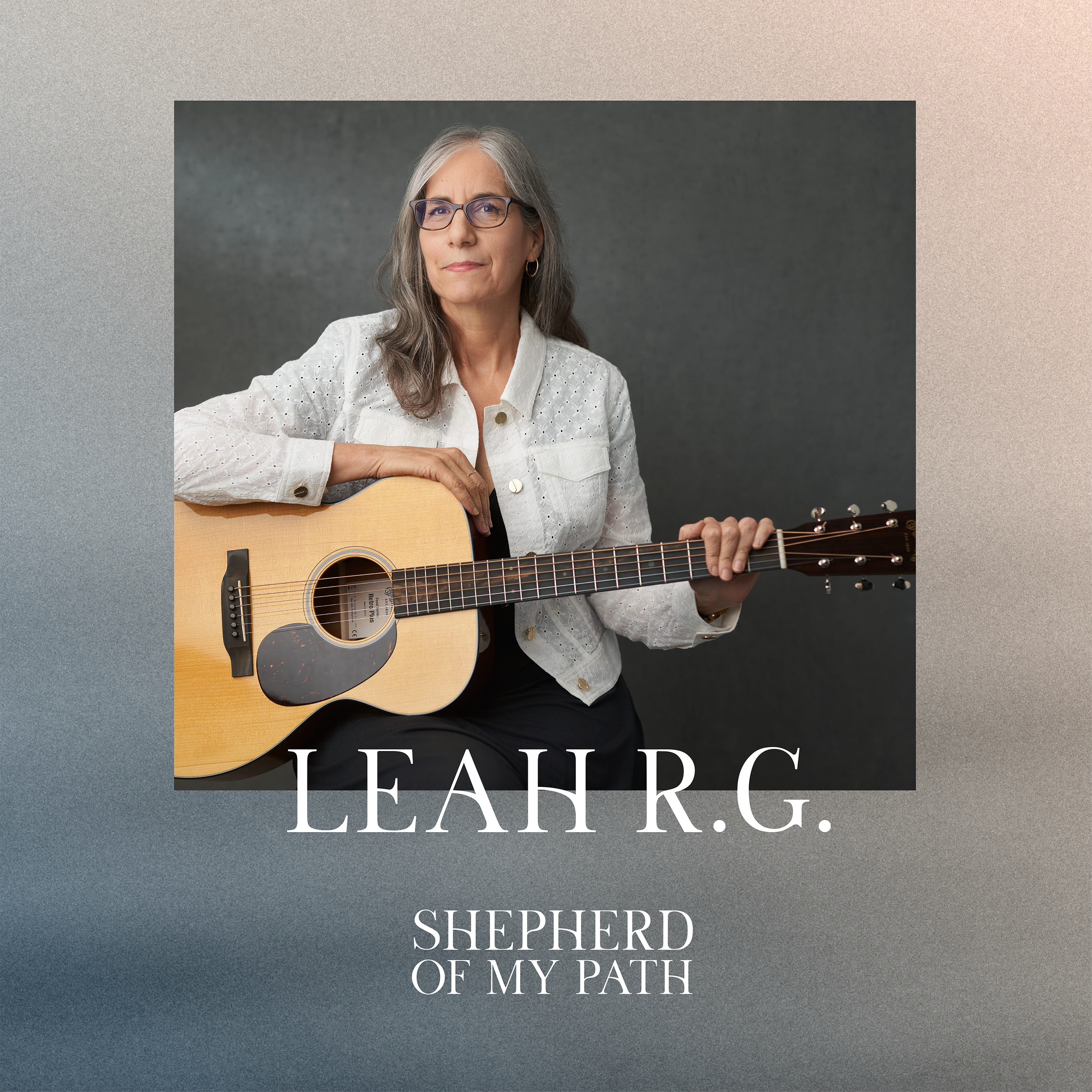
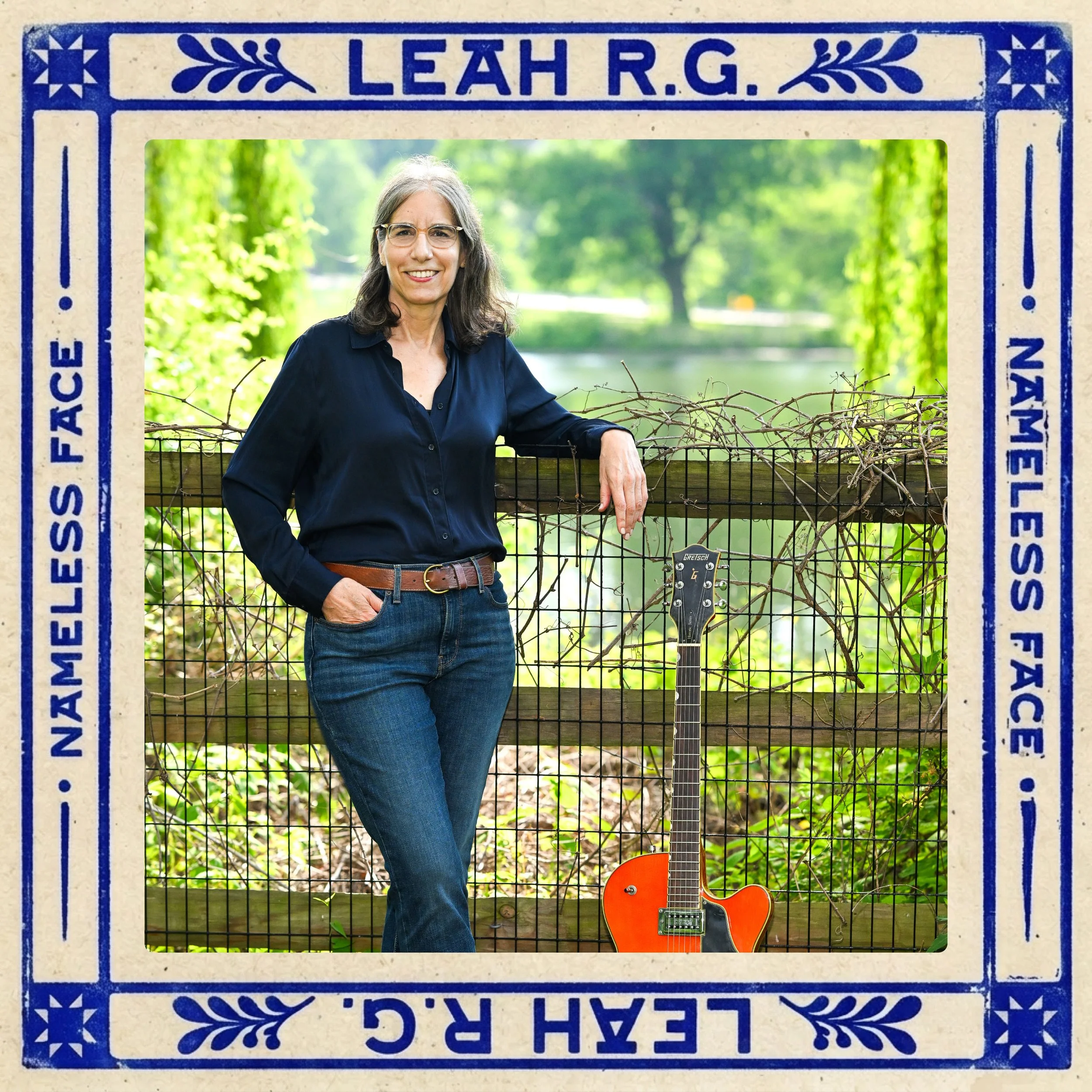
After decades in the shadows as a lifelong musician, singer-songwriter Leah R. Garnett woke up one morning in mid-life and discovered her authentic voice. In the years that followed, she experienced a deluge of songwriting inspiration. Her latest release, the six-song EP Shepherd of My Path, released in June 2025 (under her artist name Leah R.G.), is her sophomore offering, following her 2015 debut EP, Narrow Belt of Bay. Leah’s releases have generated an organic international buzz among blogs, online music hubs, Spotify playlist curators, and fans.
“The message of my music and my story is that we don’t have to live small or follow someone else’s script. We can change and become who we truly are,” says the Philadelphia-based artist. Unapologetic yet uplifting, Leah is a proud child of the 1970s who writes introspective, spiritually tinged folk. She is an understated vocalist with an intimate, unadorned delivery, and a gifted guitarist well versed in many folk traditions.
Signature to her work is an earthy elegance that recalls 1970s singer-songwriters such as James Taylor, Carole King, Joni Mitchell, and Jackson Browne. Spirituality in Leah’s writing comes from a wide-eyed courage to ask big questions. The passage of time hasn’t jaded her, nor does she become overly seduced by poetic abstraction. Her songs are soulfully pragmatic. “The religious overtones in my music simply come through as I write,” Leah says. “Sometimes it feels as if something is speaking through me.”
Leah remembers being a young teen driving with her older sister to the legendary Main Point coffeehouse in Bryn Mawr, Pennsylvania, where she saw scores of folk and bluegrass shows. She began singing and playing guitar at 11 and writing original music at 14. A precocious musician, she could perform dexterous instrumentals and complex Joni Mitchell songs at a young age. As an adult, writing original music fell by the wayside as Leah became a professional writer and editor. Journalism allowed her to keep writing; just not about herself.
What followed was a self-imposed exile from the singer-songwriter genre of her past. She studied jazz guitar for several years and immersed herself in vocal workshops and lessons. As fruitful as these endeavors were, they created a safe distance from the vulnerability required to write and perform her own music. This lasted decades, until she came to some significant revelations about the way her past informed her present-day life.
In her early 50s, she returned to writing music, stepping into a recording studio for the first time and returning with her second EP a decade later. The fortitude Leah discovered in reshaping her life is something she freely gives away in song, most notably on the aptly titled folk ballad “Your Strength Is in Your Pain” from Shepherd of My Path. It is her most downloaded song, and also her most personal. “That’s the heaviest thing I’ve written,” she admits. “I’m writing to people who think they can’t change, as someone who did.” Here she sings: You love the one / Who can’t love you back / As if that deal is closed and done / Don’t you find it strange / That nothing stays the same / And yet you feel you cannot change.
Leah was searching for answers when she wrote the wistful “That Is All You Ask of Me (Micah 6:8),” and she did what made sense in the 21st century. “I just googled ‘What does God want from me?” she laughs. “That Biblical verse popped up.” In the bridge she shares the comforting wisdom of the verse: Do what’s right/Love what’s kind/Walk the path with humility.
The title track, “Shepherd of My Path,” features dulcet harmony vocals and a gently swaying lilt, powerfully fusing religious vernacular with memories of important figures in Leah’s life. She channels Laurel Canyon folk currents on the reflective “Go Slow.” “That song is about how life unfolds for many of us because things take so long,” she says. “I just had to go slow and finally embrace the freedom to be myself.” Happening slowly is better than never happening at all, and Leah is patiently building her artist profile. This year, she plans to record and release another EP. “I have no need to stay in the shadows anymore.”
— By Lorne Behrman